Talking about how to earn money online in Pakistan, we talk about sustainable monetization, which is never about shortcuts — it’s about alignment. Alignment between traffic quality, user intent, website performance, and the right monetization tools. In this case study, we’re sharing a real-world example of how a Pakistani news and information website generated over $1,500 in just 17 days by switching its monetization layer to Adsterra. No traffic manipulation, no content changes, and no artificial boosts — only a well-structured website, clean organic traffic, and monetization formats chosen to match user behavior. This is a practical breakdown for publishers who want to understand what actually works.

SEO-expert
My name is Ahmad Raza, and I have been actively working in SEO, content architecture, and website monetization for over six years. During this time, I have built and worked on multiple information-driven and tool-based websites, learning one core lesson through real experience:
Traffic alone does not make money. Correct intent fulfillment does.
The website featured in this case study is a Pakistani news and information-based website running on a .pk domain. It focuses on fast, accurate, and practical information combined with utility-style content that solves user problems immediately.
This project was never based on assumptions. Every element was designed using years of hands-on SEO testing, audience behavior analysis, and monetization experiments.
For monetization, the site initially relied on Google AdSense. While AdSense is stable and widely used, it consistently undervalued Pakistani traffic, especially mobile-heavy news and information audiences. CPMs stayed low, scalability was limited, and weekly revenue never matched traffic volume.
That is when I decided to shift strategy and test Adsterra.
Within 17 days, the site generated over $1,500, not because of luck, but because every SEO and UX variable was already aligned.
Website Positioning: News + Information + Tools (Not Just Content)
This website is not a typical blog. It is positioned as a news-supported information and tools platform, where content is designed around what the user wants to do next, not just what they want to read.
Core Characteristics of the Site
- News-relevant informational content
- Tool-style pages that solve specific problems
- Clear structure and scannable layouts
- Extremely high mobile usage
- Repeat visitors due to trust
Users land on the site with clear intent, often in a hurry. My job is to remove friction, not add it. This distinction is critical because monetization only works when user trust is protected.
How I Find News, Topics, and Content Ideas
I never rely on a single source for content ideas. Instead, I follow a multi-source validation process to ensure that every topic I publish is both relevant and genuinely useful.
My daily research routine includes monitoring platforms such as Google News and Google Trends to understand what topics are gaining momentum. Alongside this, I actively observe discussions on YouTube, Reddit, and Quora, as well as niche-specific forums and communities related to my website’s focus.
This process allows me to identify two important opportunities:
- Real user needs that are not being addressed properly
- Topics users are already searching for, but where existing content lacks clarity, depth, or intent fulfillment.
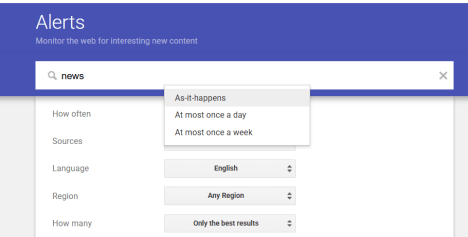
In addition, I set up Google Alerts for my core keywords and topics. This ensures I receive real time updates via email whenever something relevant is published or starts trending, allowing me to respond quickly without chasing noise.
Before publishing anything, I always evaluate the topic from a user’s point of view. If the content does not fully solve the problem in one visit, I either improve the angle or discard the topic altogether.
Behind the System: How I Research, Build, Optimize, and Scale News & Information Websites
My SEO journey started in 2019, during my time working in Pakistan. At that stage, my learning was entirely self-driven. I spent my free time studying SEO through YouTube, online communities, and real experimentation, following respected industry educators such as Neil Patel and other practitioners who focused on practical SEO rather than shortcuts.
To further refine my SEO knowledge, I later trained through SBMM, a platform founded by Moqeem Ahmed. SBMM focused on real project execution, strategic thinking, and sustainable SEO practices. Working on live projects allowed me to test advanced concepts, analyze results, and develop confidence in competitive scenarios.
However, the most impactful phase of my SEO journey came through iSkills Institute, where I gained the maximum value and clarity in my learning. iSkills provided me with a structured, implementation-focused SEO foundation that tied everything together. Under the mentorship of Tanveer Nandla, I learned how to execute SEO professionally with a clear system, logical workflows, and measurable outcomes. The emphasis was always on testing, performance, and real results rather than certificates alone, which significantly elevated my skill level and professional mindset.
Overall, my SEO learning path has been continuous, experience-driven, and deep.

Six Years of SEO Experience Applied in One Direction
One reason this site scaled quickly is because I did not “learn SEO” on this project. Over the last six years, I have worked extensively on:
- Info and utility websites
- Tool-based landing pages
- Long-tail and short-tail keyword ecosystems
- CTR optimization
- On-page, off-page, and technical SEO
- Monetization testing across multiple networks
I already knew what does not work. So instead of chasing trends, I followed fundamentals.
My Core Working Formula: FMA + EMD
FMA: Focused Monetization Architecture
I never place ads randomly. Every site I build follows a Focused Monetization Architecture, where:
- Each ad format has a purpose
- Ads align with scroll behavior
- Visibility is prioritized without harming UX
- No unnecessary placements exist
This avoids user fatigue and increases long-term engagement.
EMD: Engagement-Driven Monetization
I optimize for engagement first, revenue second.
This means focusing on:
- Scroll depth
- Time on page
- Interaction points
- Tool usage
When engagement increases, monetization improves naturally. Forced clicks never scale long-term.
Hosting & Infrastructure: Zero Compromise on Speed
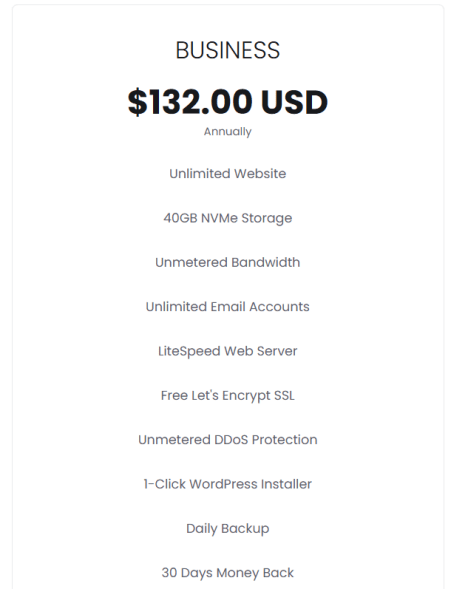
One of the biggest reasons behind this success is infrastructure quality. I use premium hosting from Hostoy, and this is non-negotiable for me.
Why Premium Hosting Matters
I do not believe in cheap hosting for serious projects because:
- Speed directly impacts Google rankings
- Slow sites reduce engagement
- High traffic spikes can crash weak servers
- Ads perform better on fast pages
Hostoy’s premium hosting allows me to handle:
- Sudden traffic surges
- High concurrent users
- Stable uptime during peak hours
This ensures speed is never compromised.
Performance Optimization Stack
Along with premium hosting, the site is optimized using:
- WordPress with a lightweight theme
- Server-side caching (LiteSpeed Cache)
- Cloudflare for CDN and security
- Optimized images and minimal scripts
This setup directly improves:
- Core Web Vitals
- User retention
- Ad viewability
- Monetization stability
Google ranking depends on many factors, including on-page SEO, off-page signals, UI/UX, speed optimization, and technical SEO. Ignoring even one weakens the entire system.
UI/UX Is Not Design, It Is Psychology
Many people think UI/UX means colors and fonts. I treat UI/UX as user psychology. I design layouts based on:
- Eye movement
- Scroll behavior
- Information priority
- Mobile thumb zones
If a user has to “think” too much, engagement drops. My goal is always: Zero confusion, instant clarity.
User Intent: The Real Ranking Factor
I do not obsess over keywords alone. I obsess over why the user searched. Instead of asking: “Which keyword should I rank for?”, I ask: “What problem does the user want solved in the next 10 seconds?”
This approach shapes:
- Content structure
- Heading placement
- Tool positioning
- Internal linking
When intent is fulfilled properly, rankings, engagement, and revenue follow automatically.
How I Analyze User Behavior and Optimize Performance
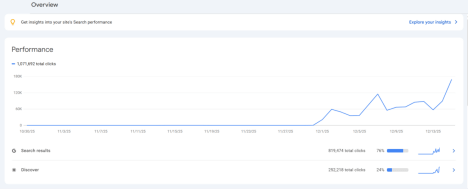
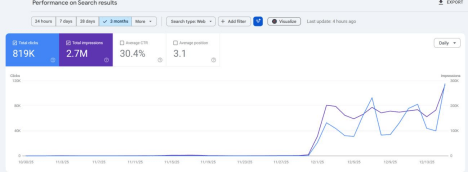
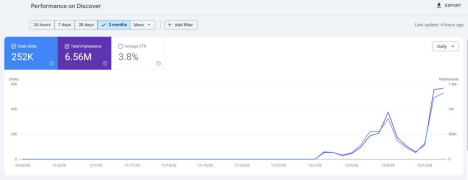
Understanding user behavior is central to everything I do. My two most important tools are Google Search Console and Microsoft Clarity.
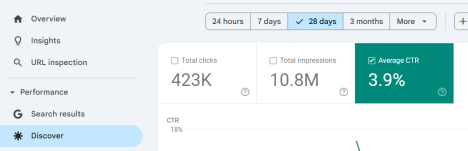
Through Search Console, I consistently monitor:
- Keyword impressions and positions
- Click-through rates (CTR)
- Pages that receive impressions but underperform in engagement
When I see a keyword or page receiving impressions but low clicks, I don’t ignore it. I improve the content, refine headings, add internal links, and restructure sections to better match user intent.
Microsoft Clarity helps me go deeper by visualizing:
- Scroll depth
- Drop-off points
- Sections where users hesitate or spend more time
In several cases, I noticed users leaving pages before reaching the main solution. By shortening paragraphs, improving visual hierarchy, and moving tools closer to the intent point, engagement time increased and ad performance improved naturally.
I also use limited social amplification, especially through Pinterest, to boost visibility without harming organic trust.
Behavioral Analysis Using Microsoft Clarity
To understand real user behavior, I actively use Microsoft Clarity.
With Clarity, I analyze:
- Where users stop scrolling
- Where they hesitate
- Which sections keep them engaged
- Where users drop off
If I see users staying longer on a section, I improve it further. If I see drop-offs, I fix the friction. These small optimizations, ignored by many publishers, create massive long-term gains.
Traffic Sources: Clean, Organic, and Trust-Based
Traffic comes mainly from:
- Organic search
- Discover-style visibility
- Returning users
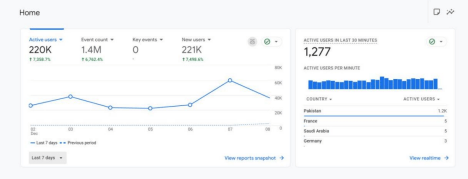
No paid traffic. No artificial boosts. This keeps analytics clean and advertiser trust intact.
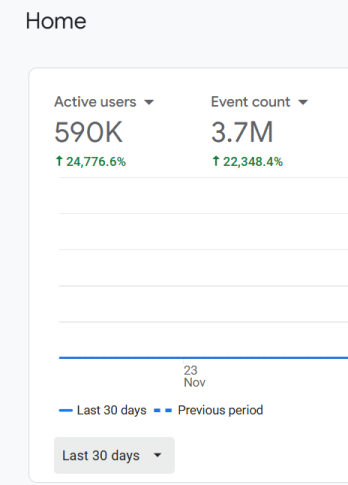
Why AdSense Was Limiting Growth
AdSense works well in many markets, but for Pakistani news and information traffic, it often:
- Undervalues impressions
- Struggles with mobile engagement
- Caps revenue scalability
The issue was never traffic quality. The issue was monetization alignment.
Why I Chose Adsterra
I selected Adsterra because it aligns perfectly with:
- Pakistani GEO traffic
- Mobile-first audiences
- News and information websites
- Session-based monetization
I did not change content or SEO. Only the monetization layer changed.
Ad Formats Used and Their Strategic Role
Social Bar: Engagement Multiplier
Social Bar worked exceptionally well because:
- It follows natural scrolling behavior
- It remains visible without blocking content
- It blends with the user journey
This format delivered very high CTR without harming UX.
Popunder: Revenue Engine
Popunder ads played a major role in revenue generation.
- Monetizes every session
- Strong CPM
- Works well with mobile traffic
Used correctly, Popunder ads revenue without disturbing content flow.

Performance Summary (17 Days)
Over a 17-day period, the website achieved:
- Nearly 700,000 impressions
- Over 55,000 clicks
- CTR close to 8%
- CPM above $2
- Total revenue exceeding $1,500
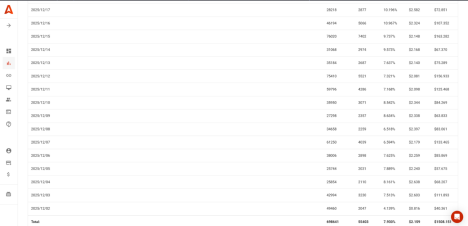
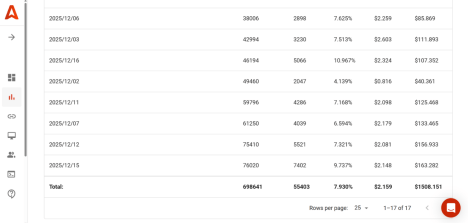
Here is what you may achieve!
Traffic Structure: Mobile, GEOs, and Audience Behavior
This website is mobile-first by nature.
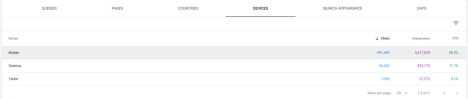
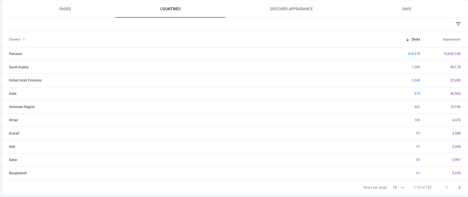
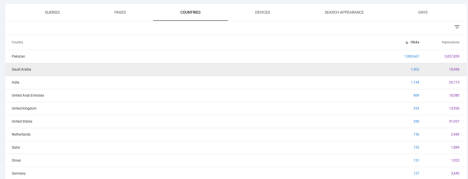
Approximately 80% of traffic comes from mobile devices, while desktop traffic accounts for the remaining share. In terms of geography, the majority of users come from Pakistan, followed by Saudi Arabia and a mix of overseas locations.
Ad performance is generally stronger on mobile, especially for session-based formats. However, I never apply rigid rules. Device performance always depends on user intent and content type, so I evaluate each site individually.
Audience Profile and Engagement Patterns
The audience is primarily organic search-driven.
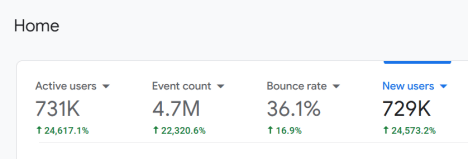
Around 70% of users are new visitors, while 30% are returning users. Because I never compromise on intent fulfillment, returning users show higher engagement time and stronger trust signals. This directly supports long-term ranking stability and monetization consistency.
UX/UI Testing Philosophy
I approach UX/UI as user psychology, not design aesthetics. So I regularly navigate my own website as a real user while validating behavior through Microsoft Clarity. I closely observe scroll behavior, bounce points, and time spent on critical sections.
Any UI or content change is tested over a minimum period of 10 days, which provides reliable behavioral data. If engagement improves, the change stays. If users drop off early, I revisit layout, spacing, content structure, or visual hierarchy.
This iterative testing approach has consistently improved both user engagement and revenue performance.
Content Structure and Visual Design Principles
Over time, I’ve developed clear rules for content structure:
- Avoid long, unbroken paragraphs
- Keep the above-the-fold area clean and focused
- Use clear, descriptive headings
- Place tools and key elements naturally within content.
Equally important are anti-rules:
- Never overload pages with ads
- Never hide critical information behind unnecessary design elements.
Why This Worked (The Real Reason)
This success came from:
- Six years of SEO experience
- No compromise on speed
- Strong UI/UX
- Deep intent understanding
- Behavioral analysis
- GEO-aligned monetization.
Most people chase shortcuts. I build systems.
Common Mistakes I See New Publishers Make
The most common mistakes I observe include:
- Ignoring site speed
- Neglecting UX/UI
- Focusing only on keywords instead of intent
- Overloading pages with ads
- Not analyzing real user behavior
All of these issues are avoidable by prioritizing users over short-term revenue.
Testing Other Formats and Niches
Beyond this website, I’ve tested native ads, popunder formats, and similar information-based projects in other niches. While results varied based on intent, session-based monetization consistently performed best when UX was respected.
Final Thoughts: This Is Repeatable
This case study is not about luck or hype. It proves that Pakistani news and information websites can generate serious revenue when SEO, UX, speed, and monetization are aligned. Generating $1,500+ in 17 days was the result of discipline, experience, and execution.
Conclusion
This case study clearly shows that strong results come from systems, not luck. When SEO fundamentals, UX psychology, site speed, and intent-driven content are already in place, monetization becomes a growth multiplier rather than a bottleneck. And there are more examples on how does SEO affect the profit, like this case from our other publisher.
For GEOs like Pakistan, where traditional solutions often undervalue traffic, choosing a platform aligned with mobile-first, session-based behavior makes a measurable difference. At Adsterra, we focus on providing flexible ad formats, GEO-optimized demand, and real human support so publishers can scale without compromising user trust. If you’re building with fundamentals and thinking long-term, results like these are repeatable and easily let you find out how to earn money online in Pakistan (or any other GEO you’re into). And how flattering our publishers’ choice stays with Adsterra again and again!