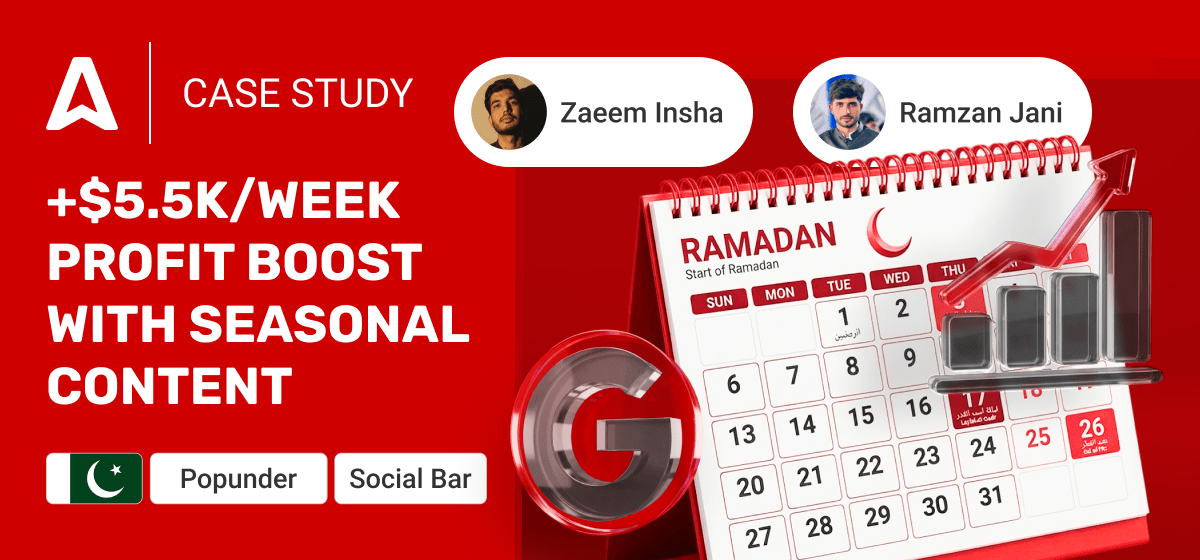
We were all pretty surprised when a single utility page with a timetable outperformed months of organic SEO work. But still, the results speak for themselves. This Ramadan content case study breaks down a workable flow for making $5,500 in just one week.
No hacks, just a good old sense of relevance, user-friendly and highly valuable content, and a bunch of proven tactics:
- Choosing the right seasonal niche and sticking to it
- Publishing when the demand was still low
- Treating utility content like a product, rather than a long-read post
 Zaeem Insha
 Ramzan Jani
News bloggers, Google Discover and SEO experts
Ramadan content case study quick recap:
During the peak week of Ramadan, our numbers looked like this:
- Impressions total: 1,043,314
- Ad formats: Popunder for publishers, Social Bar
- Clicks total (GSC): 232,799
The biggest chunk of that money came from mobile users in Pakistan, and it all kicked off within 24–48 hours of publishing the main timetable pages. Then, as users kept coming back each day for the information they needed, the numbers kept growing.
Revenue proofs
Ramadan content solely helped gain higher CPMs than traditional news from Pakistan. We managed to hit $5,000 weekly revenues with seasonal topics.
- Average CPM: $5.35
- Total revenue: $5,589.27
- Best single day: $1,627
Traffic overview during the Ramadan peak
We didn’t have a huge authority site, but just a small, focused micro project with seasonal niche SEO. However, we managed to meet user interest and gain massive traffic. From zero to winners!
Here’s what the traffic looked like:
- About 50/50 from Google Discover and Google Search
- Devices:
- About 90% mobile
- Around 8% desktop and the rest for tablets
- CTR around 16%
- Average search position: 3–5
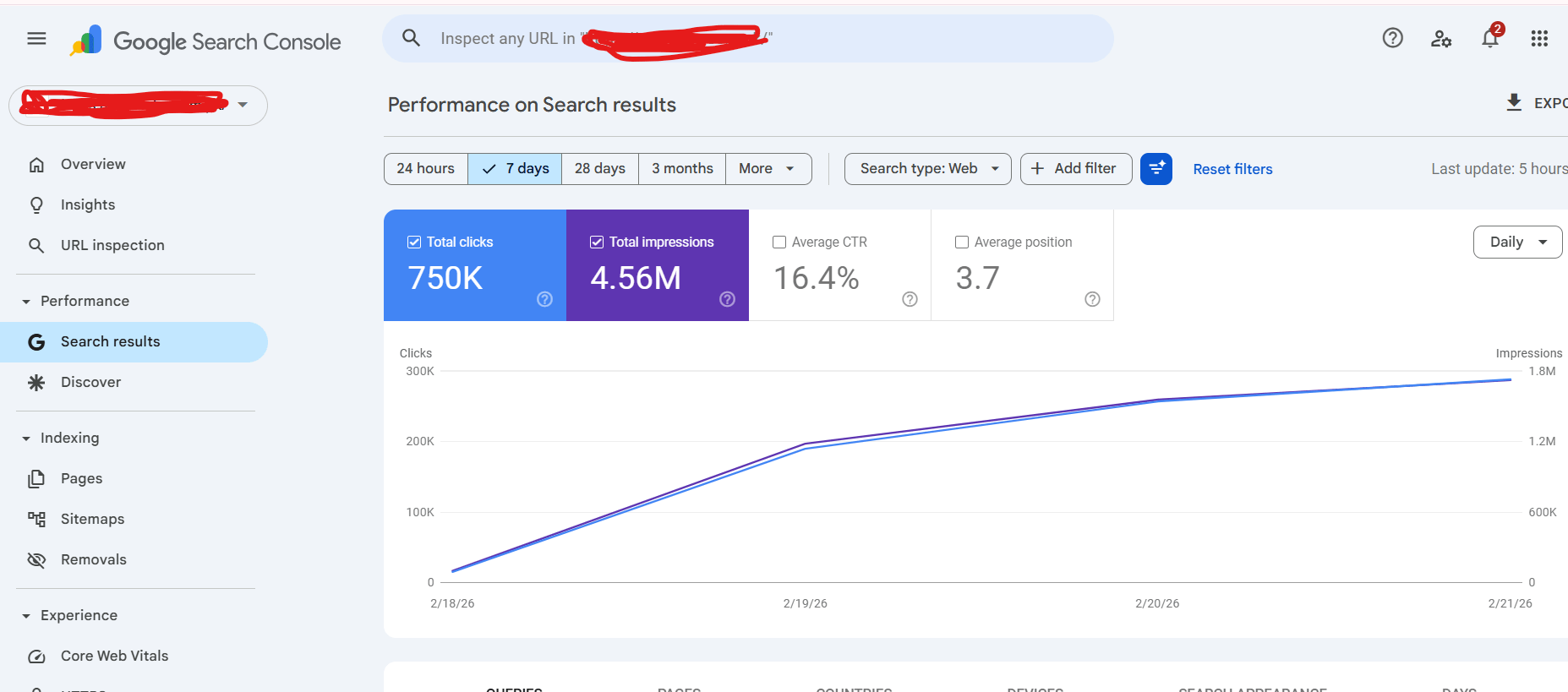
The top GEO was Pakistan, and the content was written in English. During the Ramadan season, we published 8-10 tightly focused pieces per day. No long-reads stuffed with keywords, just pages that people actually needed. People kept coming throughout the day, with peak hours at 05 PM and +04 AM GMT+5.
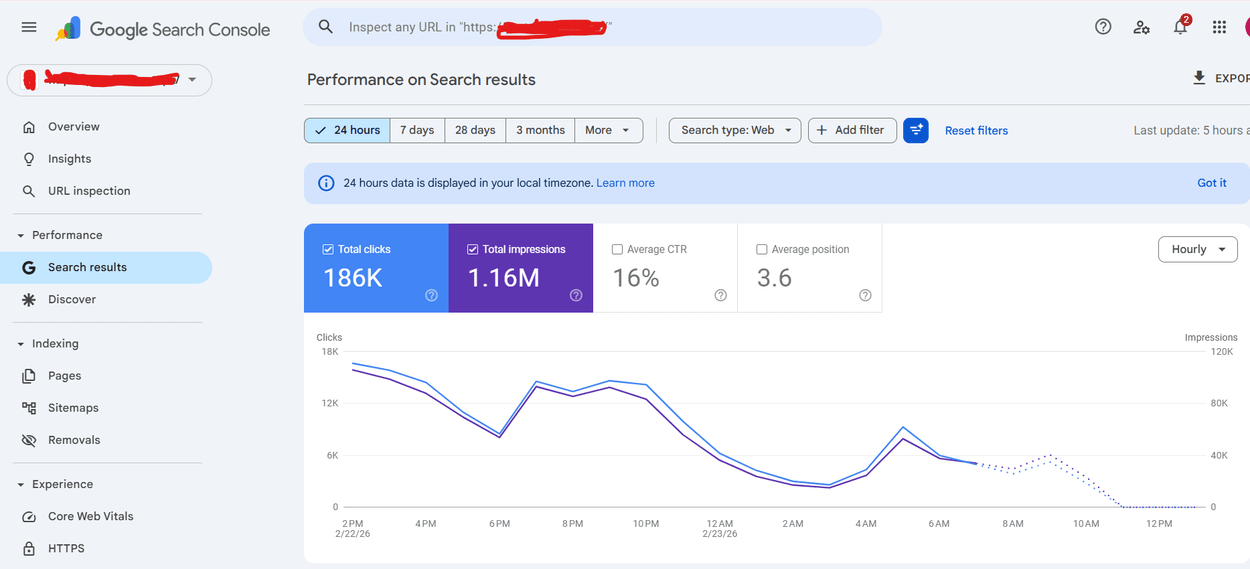
These are the outcomes laid out upfront. What’s the idea behind, and how can you reuse this Ramadan case study for your benefit? Keep on reading!
Why Ramadan content works as a seasonal niche (and most ideas don’t)
Seasonal niches are everywhere, and most of them have no revenue potential. We have developed a genuine pattern to discover truly profitable niches:
- The topic comes up every year, and the dates are nailed down
- People search for this topic daily, not just once and then forget about it
- The topic/event matters to the user; it’s valuable and involves emotions
- Demand is rather local, not a global celebration
Here’s why Ramadan checks all those boxes. People don’t just look up Sehri and Iftari timings once and then go off, and do something else, they do it every single day for almost a month. And that creates organic traffic, which Google Discover loves. Why? Well, when users keep coming back to the same domain, it tells Google that this site is doing something right, if not precious.
How to check if the seasonal niche has potential
Before we even think about building something, we do some basic but solid validation:
- Check Google Trends to see if there’s a yearly spike
- Search the Ramadan keywords directly in Google
- Use SEMrush to confirm that people are actually searching for it
- Check the People Also Ask boxes if there are relevant answers, not fluff
- See who ranked last year and what they published
If we find a pattern that repeats every year, and the utility is genuinely daily, then it’s worth building around.
Seasonal content niche validation checklist
You can use and enrich the checklist we worked out to validate if the Ramadan seasonal niche has the potential to drive organic traffic and profits.
| Checkpoint | What to look for | How to validate | What “good” looks like | Common traps |
| Fixed annual timing | The event happens every year on known dates | Look up last 3–5 years of dates | Dates are predictable or announced early | Events that shift unpredictably |
| Daily search behavior | People need the info repeatedly | Think about user routines and values | Users check it every day or week | Sporadic curiosity searches |
| Emotional or practical stakes | If users miss the date, they feel bad | Ask: does this affect daily life? | Timing, routines, obligations | Pure curiosity or entertainment |
| Local relevance | Strong demand in specific countries or cities | Check GEO trends in tools | Clear top countries or cities | Global hype already ruled by big brands |
| Yearly demand pattern | Recurring spikes, not one-off peaks | Check Google Trends | Similar spike every year | Single viral spike last year |
| Manual Google search | Real people still searching it | Type keywords in Google | Fresh results, current-year pages | Old or irrelevant results |
| People Also Ask | Real questions users ask | Check PAA boxes | Practical “how/when” questions | Generic or unrelated questions |
| Last year’s winners | Proof the niche worked before | Analyze top-ranking pages | Utility pages, not clickbait | Only big media brands ranked |
| Keyword demand | Enough volume to matter | Use SEMrush or similar | Clear seasonal rise | No volume or flat interest |
| Content usability | Can you make this useful daily? | Sketch page ideas | City pages, daily updates | One static page with no updates |
| Mobile friendliness | Users will check on phones | Test mobile UX | Fast load, simple layout | Heavy pages, slow scripts |
| Monetization fit | Can ads exist without ruining UX? | Mock ad placements | Light, non-intrusive formats | Ad overload killing usability |
Mistakes in seasonal niches and how to fix them
Many people try seasonal niche SEO and face nothing but sudden spikes in views. They walk away saying, “It didn’t work.” Most of the time, the problem isn’t the niche; it’s just the timing and execution.
Your approach should be complex and include website layout, mobile optimization, timing, and knowledge of people’s behavior. What to avoid:
- Picking random seasonal topics without checking if anyone searches for them daily
- Publishing after the demand has already peaked
- Writing clickbait headlines that look spammy in Discover
- Stuffing pages with ads until they barely load on mobile
- Ignoring page speed completely
- Misleading readers by promising utility content but providing long articles or paywalls.
How to fix these mistakes:
- Publish before demand peaks
- Write headlines that actually say what the page does
- Keep your mobile load times fast
- Treat utility pages like tools, not content farms
- Never use paywalls or long subscription forms
- Ensure ads look natural on mobiles and never prevent the page navigation
- Place original and well-designed image covers
Ramadan Discover traffic and Discover traffic in general is extremely sensitive to friction. Every delay, every misleading headline, every cluttered layout, and you’re thrown out of rotation faster than you think.
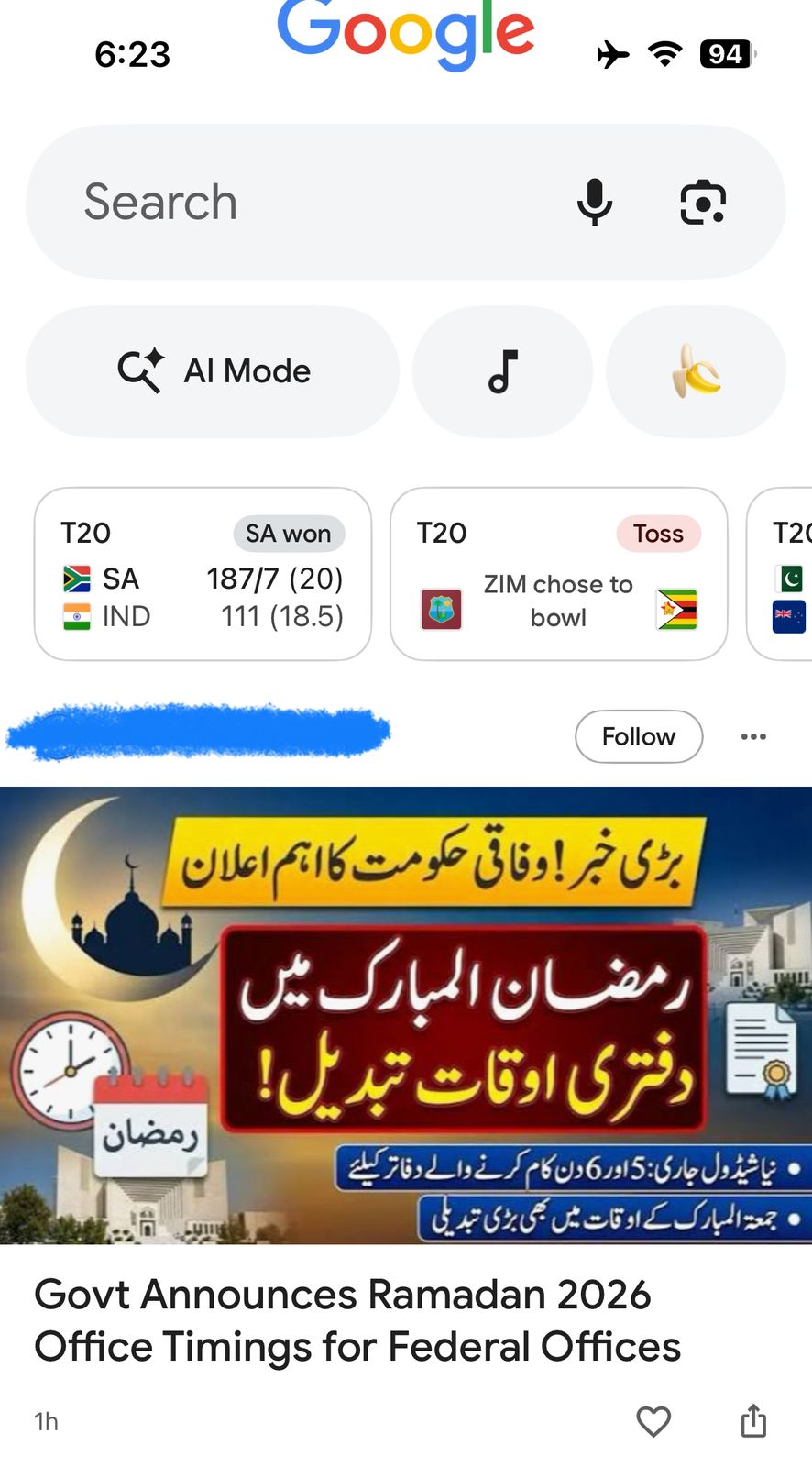
The screenshot above is what users saw when searching for Ramadan Sehri Iftari timings, and that’s an example of how to optimize for Google Discover. They then jumped to the site where they could find exactly what they were searching for. We monetized this high-intent traffic with totally mobile-friendly ads by Adsterra, and never experienced user churn.
The workflow for seasonal organic outreach
People usually treat seasonal traffic as a trick or hack, but we treat it like launching a product that can be scaled and repurposed.
Our workflow for seasonal niches looks like this:
- We start planning for the event about a month or so in advance
- Then we build a list of keywords that have some actual day-to-day utility
- Next up, we develop template pages and test how they load
- We get images in place ahead of time
- We publish our content just before the event trends take off
- Then we keep updating our pages every day that the event is going on
This works best for events that last for a few days at least. Ramadan, Eid, elections, big sports tournaments like cricket, and national holidays do well with this approach. One-day scandals tend to burn themselves out too fast for you to do anything stable with.
How to future-proof event-driven content strategy
We’ve never tried to outsmart Google and started elevating what it actually rewards. Here’s our genuine checklist based on experience in earning from Discover traffic.
- Stick to one topic cluster rather than chasing random trends
- Publish consistently, even when traffic is low: Persistence is the key
- Keep mobile pages light, fast, and easy to scan
- Don’t lie in your headlines (and never overdo with sensations)
- Add some real author profiles and basic trust pages.
And one more thing: Google Discover doesn’t care about those fancy SEO tricks. What they really care about is people tapping on your stuff, actually reading it, and coming back for more tomorrow.
Google Discover Update: What’s important to know
Google 2026 Discover update changed, if not broke, the old tactics. But if you stick to a non-clickbait and user-relevant content creation creed, you’re safe. Nevertheless, we’ve noticed a few shifts in how Discover behaves, and it’s important to take them into account:
1. Local relevance is now more important in Google Discover
Content from sites tied to the user’s country gets a lot more love. That’s why you should research how a specific event, tournament, or holiday behaves in search.
2. Clickbait burns out faster than ever
Sensational headlines still get a little test, but they get dropped immediately when users bounce. Some of the provocative headlines are not accepted at all.
3. Originality is key now
Thin rewrites and shallow summaries don’t last. Only pages that actually answer the daily question or deliver additional value stick around longer. It doesn’t mean you can’t reuse hit content pieces–just observe the topic from an original angle, providing more details or facts.
4. Trust thresholds are higher for new sites
If users hesitate, scroll less, or bounce, Discover pulls back distribution faster than it used to. No more blunt intros or paywalls: answer the question directly and provide what’s promised.
We don’t witness any critical shifts.It’s just Google tightening the feedback loop around user behaviour. Next, we’ll assist you in differentiating between effective and safe headlines and those that should be avoided.
Clickbait vs CTR headlines: What prompts or kills your Discover success
Bad headlines in Discover can still get you clicks, but they won’t keep you on the front page for long, and put your future success in question. Let’s compare harmful clickbait copy with truly engaging and genuine content.
The kind of stuff that’s going to hurt you:
“You won’t believe today’s Sehri time!”
“This Ramadan change will shock you!”
The kind of headlines that do actually work better:
“Ramadan 2026 Sehri & Iftari time table for Lahore.”
“Updated Ramadan schedule: today’s Sehri and Iftar timing.”
The ‘greenlight’ examples may seem less sensational, but they’re good for Discover. They highlight timing, local relevance, and a usable format!
Why seasonal content keeps coming out on top
To end this Ramadan case study, let’s discuss why event-based and seasonal content can become your ad revenue source. Our Sehri & Iftari timetable website solves a real problem. The audience is primarily seeking practical information, specifically regarding meal timings, rather than seeking inspirational content. That’s the entire secret, so look for similar niches in your country.
Utility content works for a few reasons:
- Users need the information every day
- It’s not just informative, it’s actually useful
- It means they’re going to come back to your site every day because they need some information
To scale this kind of content, do the following:
- Create pages for specific cities
- Update these pages daily
- Add printable versions (still an unrivaled hit format!)
- Kept the page layouts simple and fast
Wrap-up: a simple formula for seasonal success
Focusing on a small niche can reward way better than any big, flashy project for a short window. If you treat this opportunity with respect and put in the prep work upfront, then making some $1,000 or $5,500 in a week won’t seem like luck but a strategy.
- Find some genuine demand
- Publish early
- Make the content useful
- Write honest headlines
- Optimise for mobile
- Monetize with Push or Popunders
That’s it. The key to success is solving a real problem at the right time while ensuring you capitalize on this opportunity. Would you like this success to become your enduring strategy? First, join Adsterra. Second, take a look at this real-world example from our partners, who run a news site monetized through Google Discover and search traffic.