
Best WordPress plugins can add a lot of features to your blog or website. Think of any feature you want, and there’s likely a plugin for it. In this article, we provide a comprehensive, categorized list of plugins—curated to help you easily identify the best tools for SEO, security, performance, and user engagement on your website.
Note: the Best plugins for WordPress provide good functionality, but installing too many can slow your website. Also, be conscious of any plugins you install because an insecure one leaves your site vulnerable to hackers and malicious actors.
About essential WordPress plugins
WordPress is powerful out of the box, but its real strength lies in the best WP plugins. Whether you’re running a content-driven blog, a high-converting landing page, or a full-scale affiliate project, the right plugin stack can dramatically impact performance, user experience, and revenue.
Certain plugins are essential for almost every website, providing core features that support security, SEO, and monetization across a wide range of use cases.
From SEO optimization and caching to security and monetization, good WordPress plugins help you scale faster without rebuilding everything from scratch. But there’s a catch — with over 60,000 plugins available, choosing the right ones can feel overwhelming. On a typical WordPress website, the number of plugins used usually ranges from 15 to 18, balancing functionality and site speed. That’s why we’ve narrowed it down to tools that actually move the needle: improving load speed, boosting rankings, increasing conversions, and simplifying your workflow.
Want to turn your WordPress website traffic into real revenue? Connect your site to Adsterra and start monetizing with high-performing ad formats: Smartlinks, Push ads, Popunders, and more. No complicated setup — just plug in and profit.
The process: How we selected and tested
We didn’t just compile a random list of popular WordPress plugins. Each recommendation went through a hands-on evaluation process focused on real-world performance. Thorough testing was a key part of our process—every plugin was tested in a staging environment first to prevent conflicts and issues on live sites.
First, we analyzed the recommended WordPress plugins based on user ratings, update frequency, and compatibility with the latest WordPress versions. Then we installed them on test sites with different setups — from lightweight blogs to heavier affiliate funnels — to see how they perform under various conditions. When considering how many WordPress plugins to use, we found that quality and proper management matter more than the total number installed.
We paid close attention to speed impact, ease of use, customization options, and, most importantly, ROI potential for publishers. Plugins that slowed down the site, conflicted with others, or required excessive configuration didn’t make the cut. The final list includes only tools that deliver consistent results and integrate smoothly into a monetization-focused workflow. Well coded plugins typically will not slow down a website if proper caching and performance best practices are in place.
Core must-have plugins
If you strip WordPress down to what actually drives growth, three pillars remain: visibility, speed, and protection. Everything else is optional. The must have WordPress plugins below aren’t just “nice to have” — they directly impact rankings, user retention, and monetization potential. A slow site kills conversions, poor SEO limits traffic, and weak security can wipe out months of work overnight. That’s why top publishers focus on a lean but powerful stack instead of installing dozens of tools that conflict with each other.
When it comes to security, the recommended plugins deliver complete protection against a wide range of threats, safeguarding your site from attacks, malware, DDoS, and other vulnerabilities for total security coverage.
If you’re already working with traffic, this is where the real leverage begins. For example, combining fast-loading pages with effective monetization formats like Popunders can significantly increase revenue per user. If you haven’t tested it yet, check out Adsterra’s guide to Popunder monetization and see how publishers scale earnings with minimal UX impact.
SEO and visibility
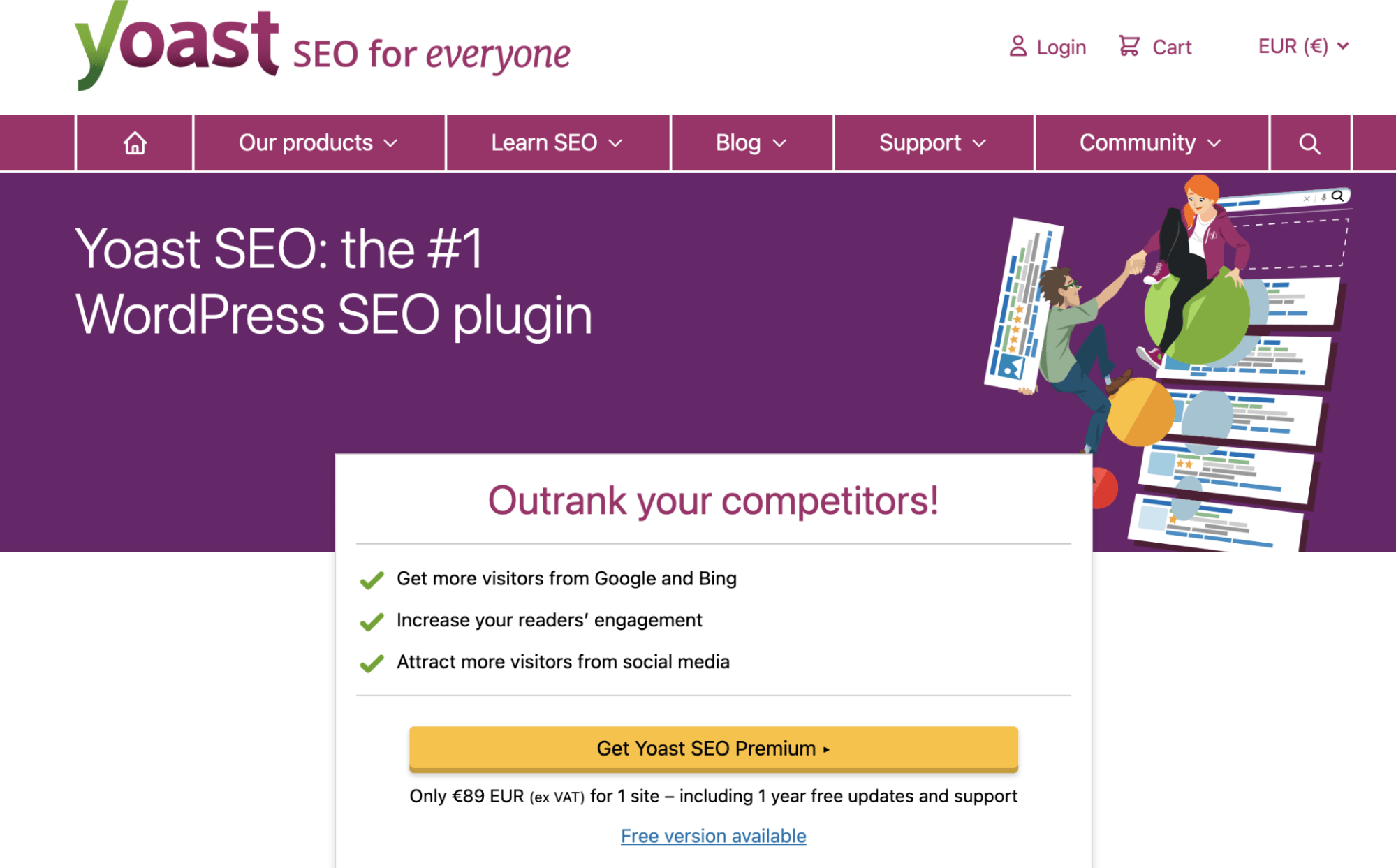
SEO plugins are your foundation for organic traffic — and without traffic, there’s nothing to monetize. Tools like:
- Yoast SEO
- Rank Math
- SEOPress
- All in One SEO help you control meta tags, generate XML sitemaps, and implement schema markup without touching code. These features directly influence how your pages appear in search results and how easily search engines can crawl your site.
These SEO plugins also support author-related schema markup and author SEO optimization, helping search engines identify the author of your content and improving content credibility and rankings. All in One SEO is a comprehensive plugin for optimizing WordPress sites for search engines.
But beyond basic optimization, the real value comes from consistency and automation. A good SEO plugin ensures every page follows best practices by default — from keyword placement to social previews. This is especially critical if you’re scaling content or working with multiple landing pages. Instead of manually optimizing each post, you build a system that works in the background, keeping your traffic pipeline steady and predictable.
Performance and speed
Speed isn’t just a UX factor — it’s a ranking signal and a revenue driver. Even a one-second delay can reduce conversions and increase bounce rates. That’s why caching plugins like:
- WP Rocket
- LiteSpeed Cache
- W3 Total Cache are considered essential. WP Rocket is considered the best WordPress caching plugin for improving website speed and performance. They generate static versions of your pages, reduce server load, and optimize assets like CSS and JavaScript to improve load times. Managing and regenerating image sizes is also crucial for optimal performance, as updating image sizes ensures your media displays correctly and loads efficiently.

Modern performance plugins go even further, offering features like lazy loading, database cleanup, and CDN integration. The goal is simple: deliver content instantly, regardless of traffic spikes or user location. For monetized websites, this directly affects earnings — faster pages mean more ad impressions, better engagement, and higher ROI from every visitor.
Security and backups
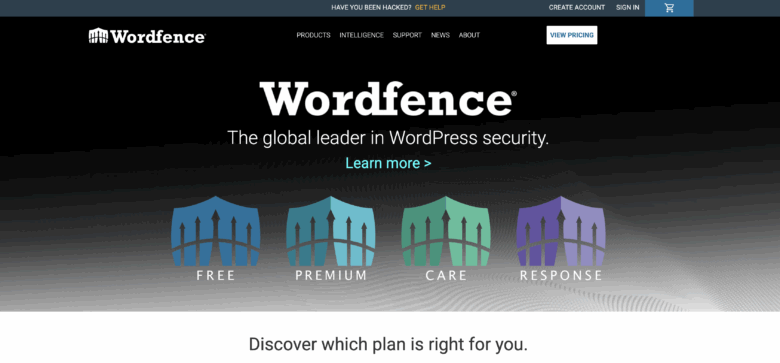
Security plugins are your insurance policy. Without them, your site is exposed to malware, brute-force attacks, and data breaches — all of which can destroy both your traffic and reputation. Security plugins like:
- Wordfence (recommended for security because it provides essential protection for WordPress sites and helps monitor your site for threats)
- Sucuri
- Cloudflare provide firewalls, malware scanning, and login protection to keep threats out.
Backups are just as critical. Even with strong protection, things can go wrong — updates fail, plugins conflict, or servers crash. Tools like Jetpack or dedicated backup plugins ensure you can restore your site in minutes instead of starting from scratch. Reliable wordpress backup plugins are essential because they safeguard your data and simplify recovery, but many depend heavily on the WordPress environment, which can complicate restoration. Some backup plugins, such as UpdraftPlus and Duplicator, integrate with Amazon S3 for secure offsite storage, making them a popular choice for added reliability. UpdraftPlus is a popular choice for backups due to its reliability and ease of use. Duplicator is a widely used plugin for backing up and migrating WordPress sites, allowing users to create and restore backups easily.
The key here is balance: strong protection without killing performance. The best setups combine lightweight plugins with smart configuration, so your site stays secure while remaining fast and profitable. WordPress plugins serve as extensions to your website and offer various features such as contact forms, e-commerce integration, and more.
Engagement and growth plugins
Once your foundation is solid, the next step is scaling engagement and squeezing more value from every visitor. This is where the top WP plugins for growth come into play. Many plugins are designed to help you increase your social media followers, expanding your audience and boosting engagement. Plugins that focus on promotion offer features and resources to help you effectively promote your content or business offerings to your target audience. Viral giveaways are especially effective for rapidly increasing website traffic, social media followers, and brand awareness by encouraging participants to share the giveaway widely. RafflePress is a popular giveaway plugin that helps increase website traffic and social media engagement through contests. Whether you’re building an email list, analyzing user behavior, or experimenting with new formats, the right tools turn passive traffic into active users. Most successful publishers don’t rely on one tactic — they combine multiple WordPress plugins to create a system that captures, tracks, and optimizes every interaction.
For monetized projects, this layer is where revenue compounds. For example, pairing lead capture tools with smart ad placements can significantly boost lifetime value per user. If you’re exploring effective monetization strategies, our guide to WordPress traffic breaks down how to maximize returns without sacrificing engagement.
Forms and lead generation
Lead generation plugins are essential if you want to build assets beyond raw traffic. Tools like:
- WPForms
- Gravity Forms
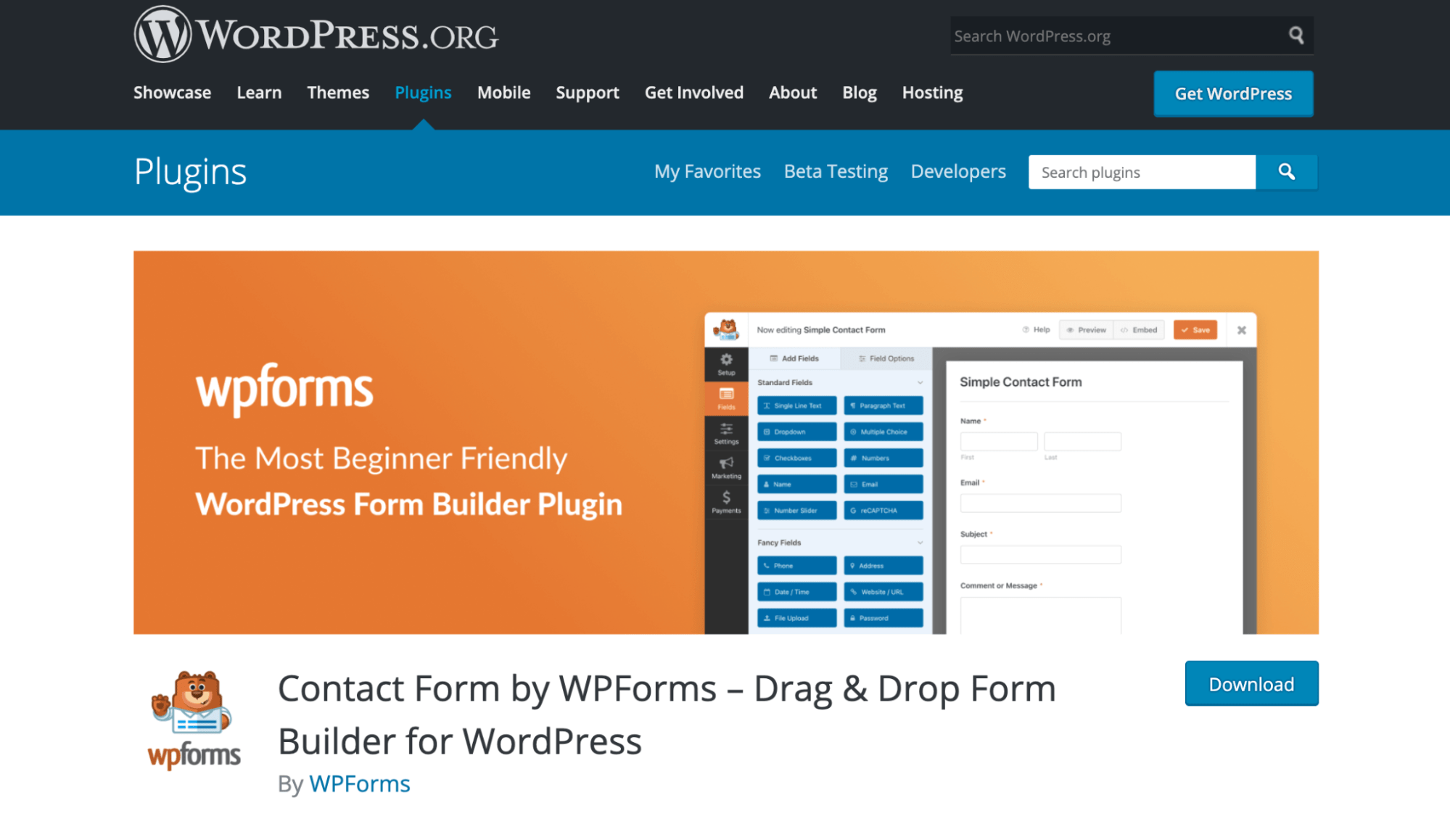
- Ninja Forms help you create high-converting forms without coding, making them some of the best free WordPress plugins for growing your database. WPForms is widely used for creating contact forms on WordPress sites and is recognized as the best WordPress form builder plugin, known for its user-friendly drag-and-drop interface. Whether it’s email signups, surveys, or gated content, these plugins turn casual visitors into long-term users. Optin forms are a key feature within these plugins, making it easy to capture email addresses and boost customer engagement for marketing automation.
For many WordPress users, forms are the first step toward monetization outside of ads. A well-placed opt-in can outperform banners in terms of long-term value, especially if you nurture your audience properly. Some form plugins, like Gravity Forms with add-ons such as GravityWiz, enable automation workflows for lead management, handling tasks like payments and file uploads without custom coding. The best tools also integrate with CRMs and email platforms, allowing you to automate follow-ups and segment users based on behavior. OptinMonster is a leading conversion rate optimization plugin that helps increase email subscribers and sales through popups and other forms, and is the best conversion rate optimization plugin for converting visitors into subscribers and customers.
If you’re building a serious WordPress website, lead generation isn’t optional — it’s a core growth driver.
Analytics and social tools
You can’t optimize what you don’t measure. That’s why analytics plugins are a must-have in any WordPress plugins list. Tools like:
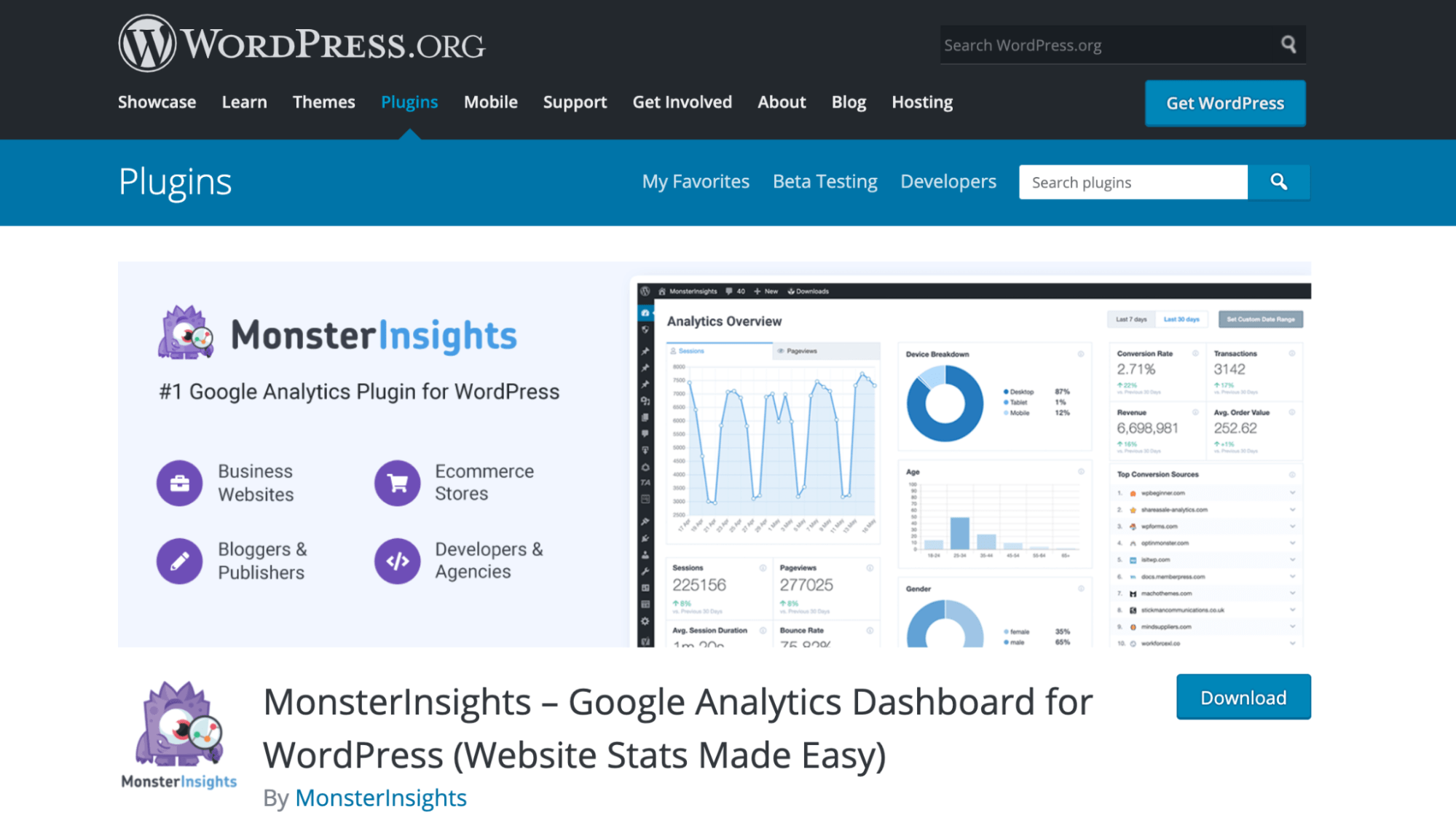
- MonsterInsights (used for integrating Google Analytics into WordPress sites for tracking visitor behavior)
- Site Kit are often considered the best Google Analytics plugin options, as they bring data directly into your dashboard without requiring technical setup. A reliable Google Analytics plugin helps you track traffic sources, user behavior, and conversion paths in real time. Analytics plugins analyze user behavior, while spam plugins analyze comments to detect and prevent spam.
Beyond analytics, social sharing plugins help amplify your reach by making content easy to distribute. Some social media plugins allow you to highlight specific posts within a feed, drawing attention to standout content and boosting engagement. You can also use individual plugins to quickly add targeted social or analytics features to your site, making it easy to customize functionality as needed. While they may seem secondary, they play a key role in organic growth, especially for content-heavy sites. For WordPress users focused on scaling traffic, combining analytics insights with social distribution creates a feedback loop: you see what works, double down on it, and expand your reach faster.
AI and emerging features
AI is quickly reshaping how WordPress plugins work, and early adopters already have an edge. From AI-powered content generators to smart chatbots and personalization engines, these tools automate tasks that used to take hours. Many of them are already available as free WordPress plugins or freemium solutions, making them accessible even for smaller projects.
Implementing advanced AI features can be challenging without the right tools, but many AI plugins now work seamlessly with existing WordPress setups, ensuring smooth integration and compatibility. For example, AI can help optimize headlines, generate SEO-friendly content, or even dynamically adjust page elements based on user behavior. This is especially valuable for scaling a WordPress site without increasing workload. As the ecosystem evolves, expect AI-driven plugins to become a standard part of any best WordPress plugins stack — not just a nice-to-have, but a competitive necessity.
Specialized plugins for niche needs
Not every WordPress site is the same — and that’s where specialized tools come in. Beyond the core stack, niche-focused WordPress plugins help you tailor functionality to specific business models, whether it’s ecommerce, gated content, or media-heavy platforms. This is where you move from a generic setup to a highly optimized system built around your goals.
Some plugins are designed to help you create and manage comprehensive documentation hubs, making it easy to maintain internal documentation or knowledge bases across single or multiple sites. Others enhance the admin area by adding advanced management, troubleshooting, or optimization features directly within your dashboard. There are also plugins that let you preview content or entire sites before they go live, allowing you to share a preview link or test changes in a controlled environment.
Many of these tools come in both a free version and extended plans, giving you flexibility as your project grows. While premium plugins often unlock advanced features and integrations, the key is not price — it’s impact. The best setups combine only what’s necessary to drive revenue and efficiency.
If your goal is monetization, aligning plugin choices with ad strategy is critical — this guide on maximizing website revenue breaks down how to structure your stack for better returns.
Ecommerce and membership
For ecommerce and subscription-based projects, plugins like:
- WooCommerce
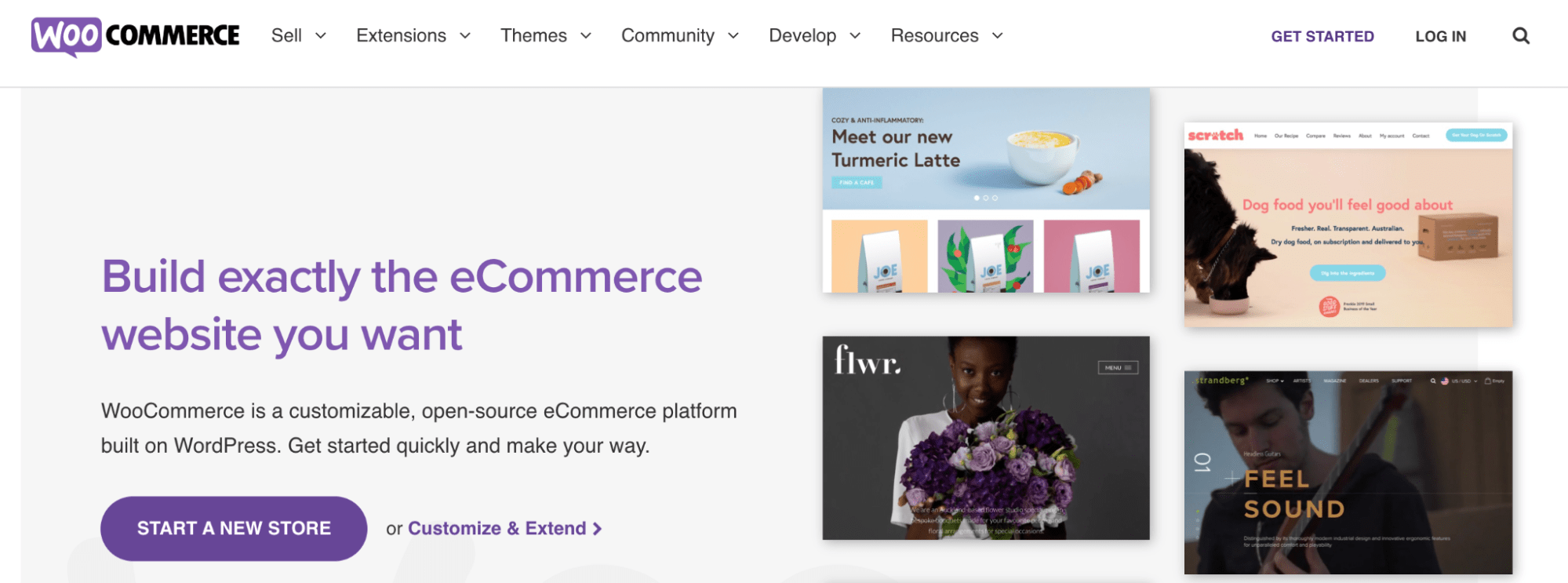
- MemberPress transform a simple WordPress website into a full business platform. WooCommerce is the leading eCommerce plugin for WordPress, enabling online store functionality and providing extensive features for building online stores. In fact, WooCommerce dominates the eCommerce market for WordPress, outpacing other solutions like Magento and Shopify in terms of market share and growth. WooCommerce integrates seamlessly with a wide range of plugins and third-party services, allowing you to extend your store’s capabilities with tools like CloudFlare, CRM systems, and helpdesk software. Working with a WordPress developer can help you fully optimize your WooCommerce storefront, tailoring it to your specific business needs. MemberPress is a top membership plugin for WordPress, enabling users to create and manage membership sites. As a membership plugin, MemberPress allows you to restrict access to premium content, online courses, or community features with ease. Uncanny Automator is another valuable tool—this automation plugin connects different WordPress plugins and tools to streamline workflows without coding.
But building the system is only half the job — optimizing it is where real growth happens. Combining ecommerce plugins with smart monetization tactics can significantly increase revenue per visitor. For example, integrating ad strategies alongside product funnels can capture value from users who don’t convert immediately. If you’re exploring this approach, the guide to ad placement strategies offers practical insights on balancing UX and monetization.
Content and media management
Content-heavy sites rely on efficient media and publishing workflows. Plugins for editorial management, image optimization, and content organization help keep everything scalable as your library grows. Keeping content organization and optimization at the forefront is essential for large sites, ensuring that key issues and improvements receive the attention they deserve. For image optimization, Imagify is a recommended WordPress plugin that helps compress images for better performance and supports various image sizes. This is especially important for SEO-driven projects, where structure and consistency directly impact rankings — tools like YOAST SEO still play a role here by ensuring every piece of content is properly optimized.
At the same time, don’t overlook WordPress security when working with large volumes of content and media. The more complex your setup becomes, the more vulnerable it can be without proper safeguards. The best approach is to combine lightweight content management tools with solid protection and performance optimization, ensuring your site remains fast, organized, and resilient as it scales.
Community and forum plugins
Building a loyal audience goes beyond great content — it’s about creating a space where users can connect, share, and engage directly on your site. Community and forum plugins provide the tools you need to transform your WordPress website into a vibrant hub for discussion and interaction. Whether you want to launch a full-featured forum, add social networking features, or simply provide a place for users to ask questions and share ideas, these plugins make it possible in minutes.
Popular options like:
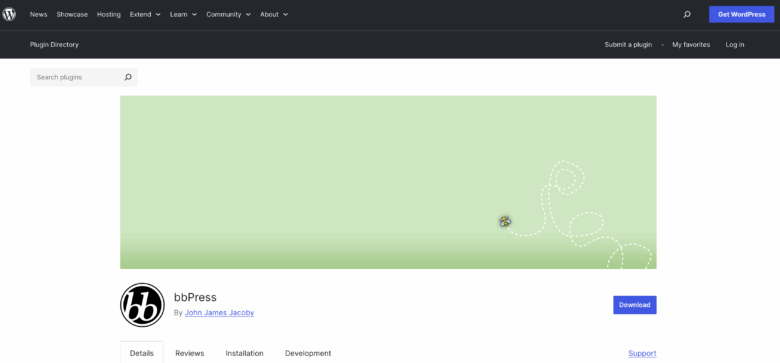
- bbPress
- BuddyPress
- WPForo are well coded and offer a user-friendly interface, making setup and moderation straightforward even for non-technical site owners. With these plugins, you can organize discussions by topic, manage user roles, and encourage ongoing participation—all directly within your existing site. This not only increases user retention but also helps your content reach a wider audience as members share and promote discussions.
For organizations, publishers, and anyone looking to build a following, adding a community or forum plugin is a smart way to provide value, foster loyalty, and keep visitors coming back for more.
Migration and import plugins
Migrating or expanding your WordPress site doesn’t have to be a daunting task. Migration and import plugins provide robust, all-in-one solutions that make moving your site’s content, settings, and databases both quick and reliable. These tools are especially handy for WordPress users who need to switch hosts, merge multiple sites, or import content from other platforms—without risking data loss or extended downtime.
Top choices like:
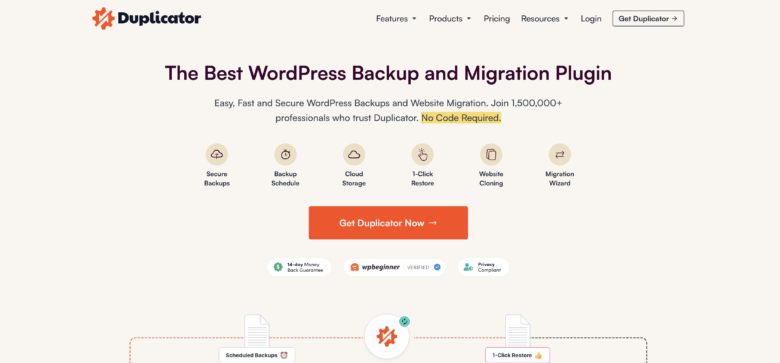
- Duplicator
- All-In-One WP Migration
- WP Import are designed with simplicity and reliability in mind. They offer user-friendly interfaces and step-by-step workflows, so even complex migrations can be handled in minutes. These plugins are excellent solutions for anyone planning site expansion, redesigns, or server changes, ensuring your website remains organized and fully functional throughout the process.
By choosing a well-supported migration or import plugin, you can streamline your workflow, minimize disruptions, and focus on growing your site—knowing your data is safe and your transition will be seamless.
Plugin comparison table
Below is a practical breakdown of the best WordPress plugins by category. The table compares individual plugins in each category, allowing you to see how separate, specialized plugins stack up for specific functionalities. Instead of listing tools blindly, we compare real options with pros, cons, and solid alternatives — so you can build a lean, high-performing stack for your WordPress website.
SEO and visibility plugins
| Plugin | Pros | Cons | Alternatives |
|---|---|---|---|
| Yoast SEO | Beginner-friendly, strong reputation, stable updates | Many features locked behind paid plan, can feel heavy | Rank Math, All in One SEO |
| Rank Math | More features in free plan, built-in schema, AI tools | Slight learning curve, more settings to manage | Yoast SEO, SEOPress |
| All in One SEO | Simple setup, good for business sites, WooCommerce support | Less advanced features than competitors | Rank Math, SEOPress |
Performance and speed plugins
| Plugin | Pros | Cons | Alternatives |
|---|---|---|---|
| WP Rocket | Easy setup, powerful caching, improves Core Web Vitals | Paid only, no full free plan | LiteSpeed Cache, FlyingPress |
| LiteSpeed Cache | Free, server-level optimization, strong performance | Best only on LiteSpeed servers | WP Rocket, W3 Total Cache |
| W3 Total Cache | Highly customizable, free | Complex setup, not beginner-friendly | WP Rocket, WP Fastest Cache |
Security and backup plugins
| Plugin | Pros | Cons | Alternatives |
|---|---|---|---|
| Wordfence | Strong firewall, malware scanner, login protection | Can impact performance on large sites | Sucuri, iThemes Security |
| Sucuri | Cloud-based protection, minimal server load | Premium pricing for full features | Wordfence, Cloudflare |
| UpdraftPlus | Easy backups, cloud integrations, reliable restores | Advanced features require paid plan | Jetpack Backup, BackupBuddy |
Forms and lead generation plugins
| Plugin | Pros | Cons | Alternatives |
|---|---|---|---|
| WPForms | Drag-and-drop builder, beginner-friendly | Advanced features require upgrade | Ninja Forms, Gravity Forms |
| Gravity Forms | Highly customizable, powerful integrations | No free version | WPForms, Formidable Forms |
| Ninja Forms | Flexible pricing, modular add-ons | Add-ons can increase cost | WPForms, Fluent Forms |
Analytics and tracking plugins
| Plugin | Pros | Cons | Alternatives |
|---|---|---|---|
| MonsterInsights | Easy Google Analytics integration, dashboard reports | Paid for advanced tracking | Site Kit, ExactMetrics |
| Site Kit (Google) | Official Google plugin, free, simple setup | Limited customization | MonsterInsights, Analytify |
| Analytify | Clean UI, detailed stats | Smaller ecosystem | MonsterInsights, ExactMetrics |
Ecommerce and membership plugins
| Plugin | Pros | Cons | Alternatives |
|---|---|---|---|
| WooCommerce | Highly flexible, huge ecosystem, free core | Requires add-ons for advanced features | Easy Digital Downloads, Shopify (external) |
| MemberPress | Strong membership features, paywall support | Premium pricing | Restrict Content Pro, LearnDash |
| Easy Digital Downloads | Ideal for digital products, simple setup | Limited for physical products | WooCommerce, Gumroad |
Content and media management plugins
| Plugin | Pros | Cons | Alternatives |
|---|---|---|---|
| Elementor | Visual builder, flexible design | Can slow down site if overused | Gutenberg, Beaver Builder |
| Smush | Image optimization, improves load speed | Limited advanced compression in free plan | ShortPixel, TinyPNG |
| WP Grid Builder | Advanced content layouts, filtering | Paid plugin | Content Views, Essential Grid |
AI and emerging plugins
| Plugin | Pros | Cons | Alternatives |
|---|---|---|---|
| AI Engine | Content generation, chatbot integration | Requires API setup | Bertha AI, ChatBot plugins |
| Rank Math AI | Built-in SEO + AI content tools | Limited credits in free tier | Surfer SEO (external), Jasper |
| Tidio AI | Live chat + AI automation | Advanced features paid | Crisp, Intercom |
Community and forum plugins
| Plugin | Pros | Cons | Alternatives |
|---|---|---|---|
| bbPress | Lightweight, easy to integrate, built by WordPress creators | Basic features, limited design options | WPForo, Asgaros Forum |
| BuddyPress | Full social network features, user profiles, activity feeds | Can feel heavy, requires extensions for advanced use | PeepSo, WP User Manager |
| WPForo | Modern UI, rich features, built-in layouts | Slightly heavier than bbPress | Simple:Press, Asgaros Forum |
Migration and import plugins
| Plugin | Pros | Cons | Alternatives |
|---|---|---|---|
| Duplicator | Full-site backups, easy migration, reliable cloning | Advanced features in paid version | UpdraftPlus, Migrate Guru |
| All-In-One WP Migration | Beginner-friendly, fast exports/imports | File size limits in free version | Duplicator, WPvivid |
| WP All Import | Powerful data import, supports complex structures | Requires add-ons for full functionality | WP Ultimate Importer, CSV Importer |
Sorry to say that, but there’s no single “perfect” stack — only combinations that fit your goals. The smartest WordPress users don’t install dozens of tools; they pick a focused set from each category:
- 1 SEO plugin
- 1 performance plugin
- 1 security + backup solution
- 1–2 growth tools
That’s how you build a fast, scalable, and profitable WordPress site without unnecessary complexity.
Final thoughts
Choosing the right stack of the best WordPress extensions isn’t about chasing trends — it’s about building a system that supports your traffic, performance, and monetization goals. A fast, secure, and well-optimized WordPress website will always outperform a bloated setup filled with unnecessary tools. Focus on the essentials, test what actually impacts your metrics, and scale gradually as your project grows.
It’s also important to think beyond plugins. Hosting quality, SEO strategy, and monetization setup all play a huge role in your results. If you want to go deeper, check out our guides on WordPress SEO and choosing the best hosting to ensure your foundation is solid.
At the end of the day, success comes from combining the right tools with the right strategy — and building a stack around the best WordPress plugins. Our curated recommendations provide the answer for anyone looking to build a high-performing WordPress site.
Best WordPress plugins FAQ
What are the best WordPress plugins for SEO optimization?
The most popular options include Yoast SEO, Rank Math, and All in One SEO. They help optimize meta tags, generate sitemaps, and improve on-page SEO without technical complexity. The best choice depends on your experience level and how much automation or customization you need.
Which WordPress plugins offer the most effective security features?
Top security plugins include Wordfence, Sucuri, and iThemes Security. They provide firewalls, malware scanning, and login protection. For maximum safety, combine a security plugin with regular backups and reliable hosting.
What are the best WordPress plugins for social media integration?
Plugins like Social Snap, Monarch, and Shared Counts make it easy to add sharing buttons and track engagement. They help increase visibility and drive additional traffic from social platforms without affecting performance too much.
How do I choose the best WordPress plugins for email marketing automation?
Start with your goals: list building, segmentation, or automation. Tools like WPForms (for lead capture) combined with email platforms (like Mailchimp or ActiveCampaign) work well. Look for plugins that integrate easily with your CRM and allow you to automate follow-ups based on user behavior.